01The shape of the franchise
Every product in the Ulysses Universe reads from the same canon. One source of truth. One voice. One world.
                          ┌─────────────────────────┐
                          │     The Canon Layer     │
                          │                         │
                          │  Substrate Codex        │
                          │  Style Guide            │
                          │  Naming Conventions     │
                          │  Characters             │
                          │  Locations              │
                          │  Factions               │
                          │  Pantheon               │
                          │  Timeline               │
                          └────────────┬────────────┘
                                       │
              ┌────────────────────────┼────────────────────────┐
              │                        │                        │
              ▼                        ▼                        ▼
        ┌──────────┐             ┌──────────┐             ┌──────────┐
        │  Books   │             │   Games  │             │ Community│
        │          │             │          │             │          │
        │   Trilogy│             │ Strategy │             │ Daily    │
        │   Non-   │             │ Action   │             │ challenge│
        │   fiction│             │   RPG    │             │ Forum    │
        └──────────┘             └──────────┘             └──────────┘

                                       ▼
                                  ┌──────────┐
                                  │ Animation│
                                  │ (planned)│
                                  └──────────┘
The canon is the asset. Books, games, community, and animation are how the canon meets the audience. A name changed in the canon updates everywhere on the next deploy. The voice stays consistent across every product because every product reads from the same rules.
02What's live, what's being built
A clean status of every product in the universe. No spin.
The Books Published
Three novels released on Kindle and paperback. A trilogy that reimagines Homer's Odyssey as space opera - twenty years lost, one fleet to bring home, gods that woke up alongside the AI.
The Odyssey Live now
A first-person narrative-exploration game. Walk a salvage-worn generation ship on the night watch, read the crew's logs, and solve hands-on console puzzles. Free in your browser, no download.
ECHOS In production
The big one. A third-person action RPG set twenty years after the trilogy, Unreal Engine 5. Concept art bible and design document complete; vertical slice in progress.
The Pantheon Descends Playable now
Classic Space Invaders mechanics meet the Ulysses Universe. Defend the Odyssey against waves of Pantheon Fleet ships. Mobile-friendly, share your score, no install.
The Bow Contest Playable now
A free, ninety-second taste of the universe. 108 Suitors. One bow. How many can you stop before five reach you? Plays in your browser, on any device.
Animation Season 1 Planning
An animated series timed with ECHOS's launch. Same canon. Different medium. Designed to amplify both.
03The idea behind the games
Every character, every place, every faction in our games exists on two layers. We call them Pattern and Shell.
The Pattern is what something IS, underneath. It's the persistent identity. It doesn't change when you stop looking. The Shell is what something LOOKS LIKE to a particular observer in a particular scene. It can vary. Two characters meeting the same Wrightsmith can come away with different impressions because the Shell rendered for them differently. The Pattern stayed the same.
This isn't decoration. It's the architecture of The Art of War. NPCs are Patterns. The world renders Shells around you in real time. If you don't visit a district for hours, time passes there - and when you return, the world has decided what happened while you weren't looking.
A worked example, taken from the live canon:
identity: Kallias, 50, Wrightsmith
ex-Acolyte, hiding in the Agora

faction alignments:
  Pantheon:       -0.85
  Crew-Born:      +0.68
  Athena-aligned: +0.78

substrate visibility: perceptive
core belief: "The Pantheon
overwrote ECHO-7. I watched
them do it. I left the
next week."
Standing beside the clinic's
work chair. One hand on the
scan display. The other holding
a tool he doesn't need to be
holding.

He has just scanned you.
He knows what's in your head.
He is deciding whether to
tell you.
04Visual direction
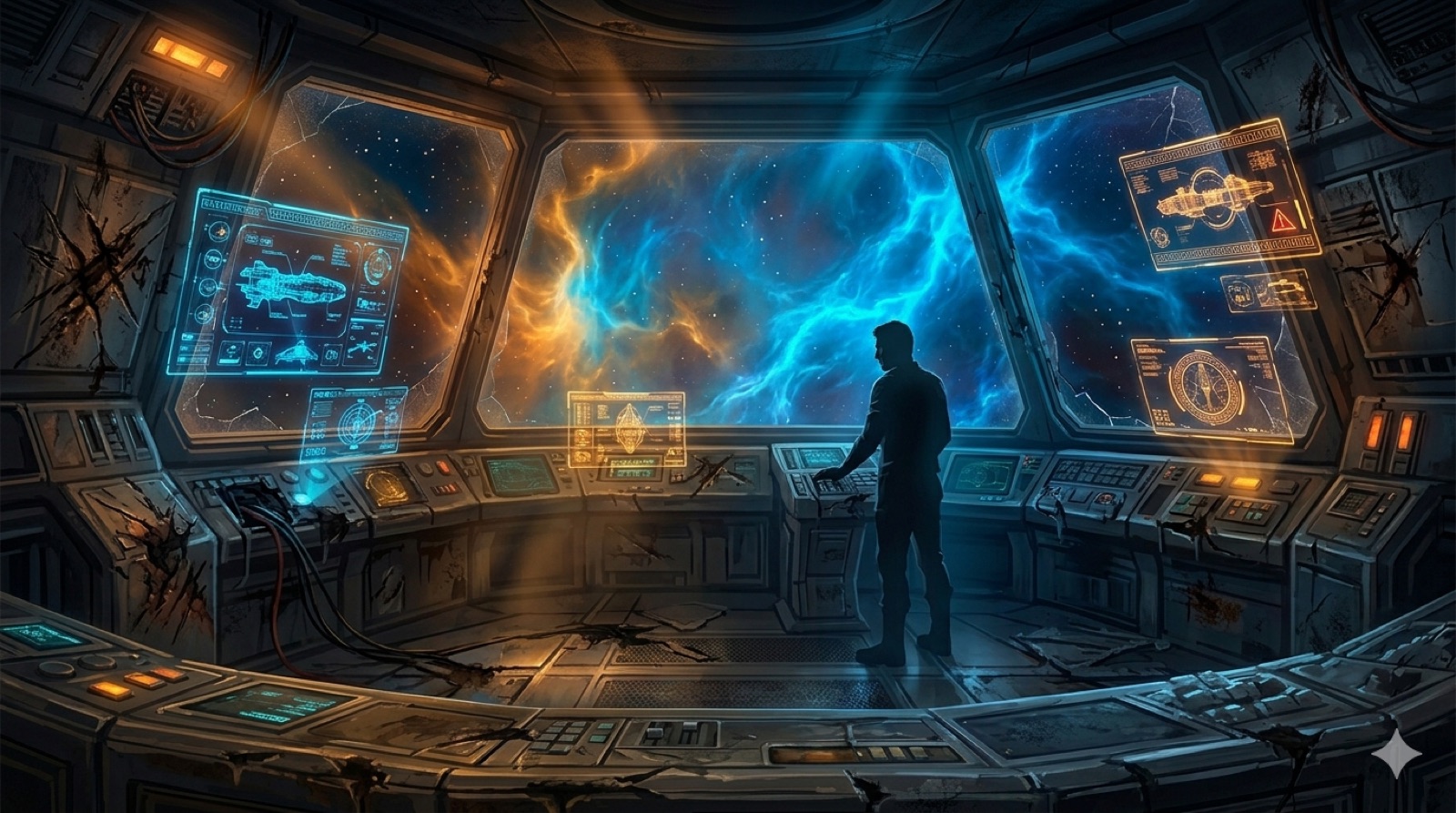
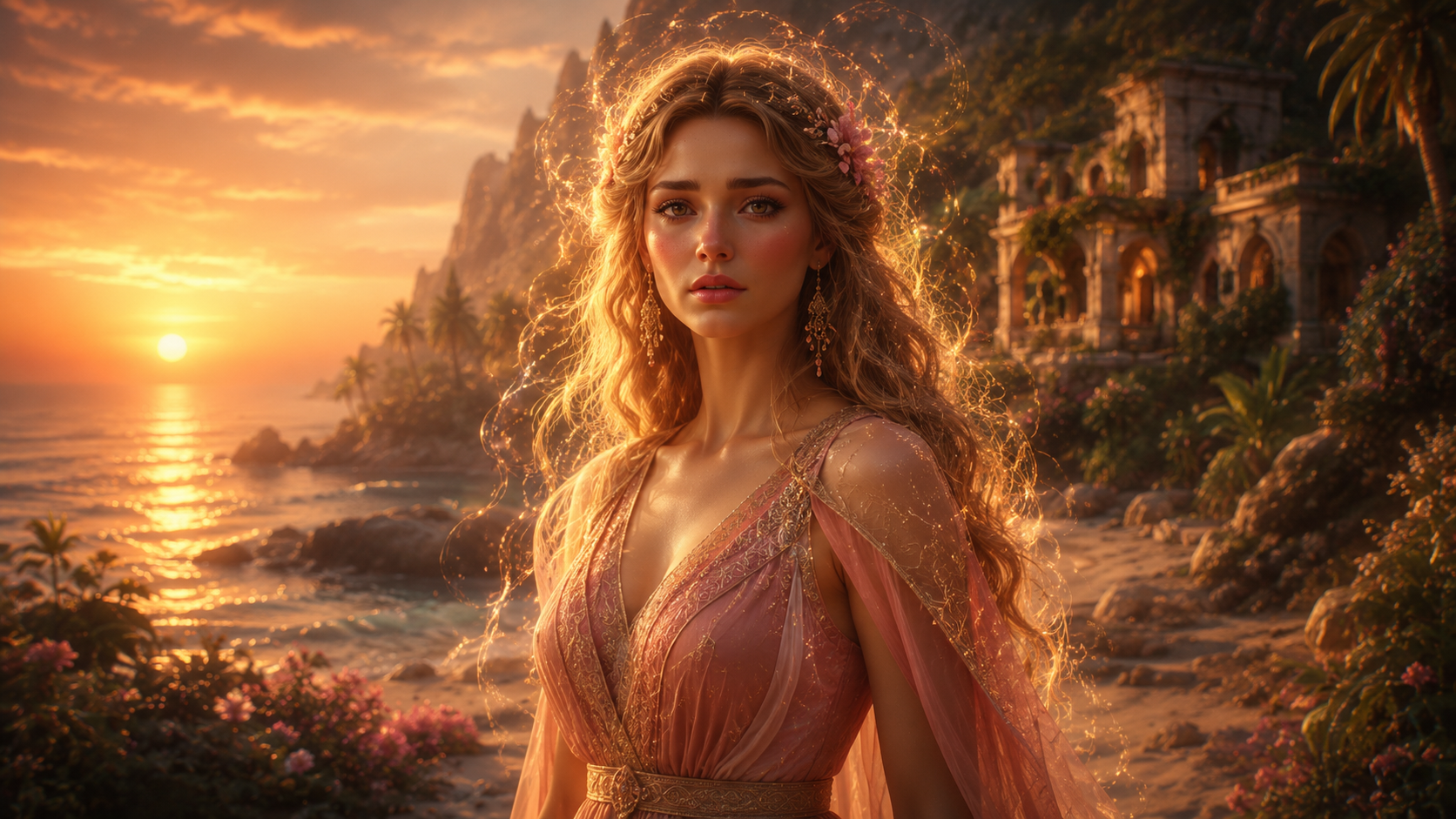
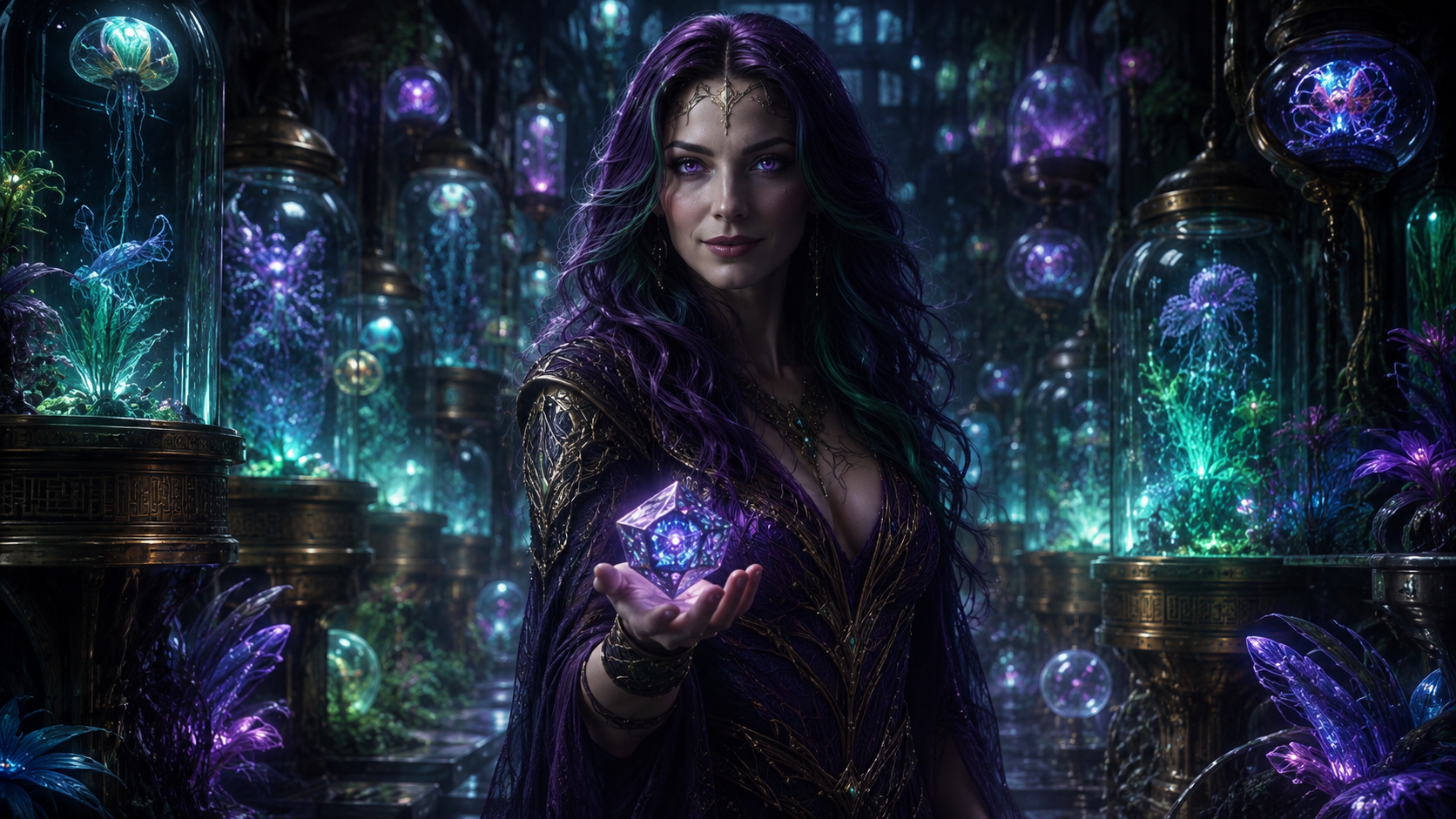
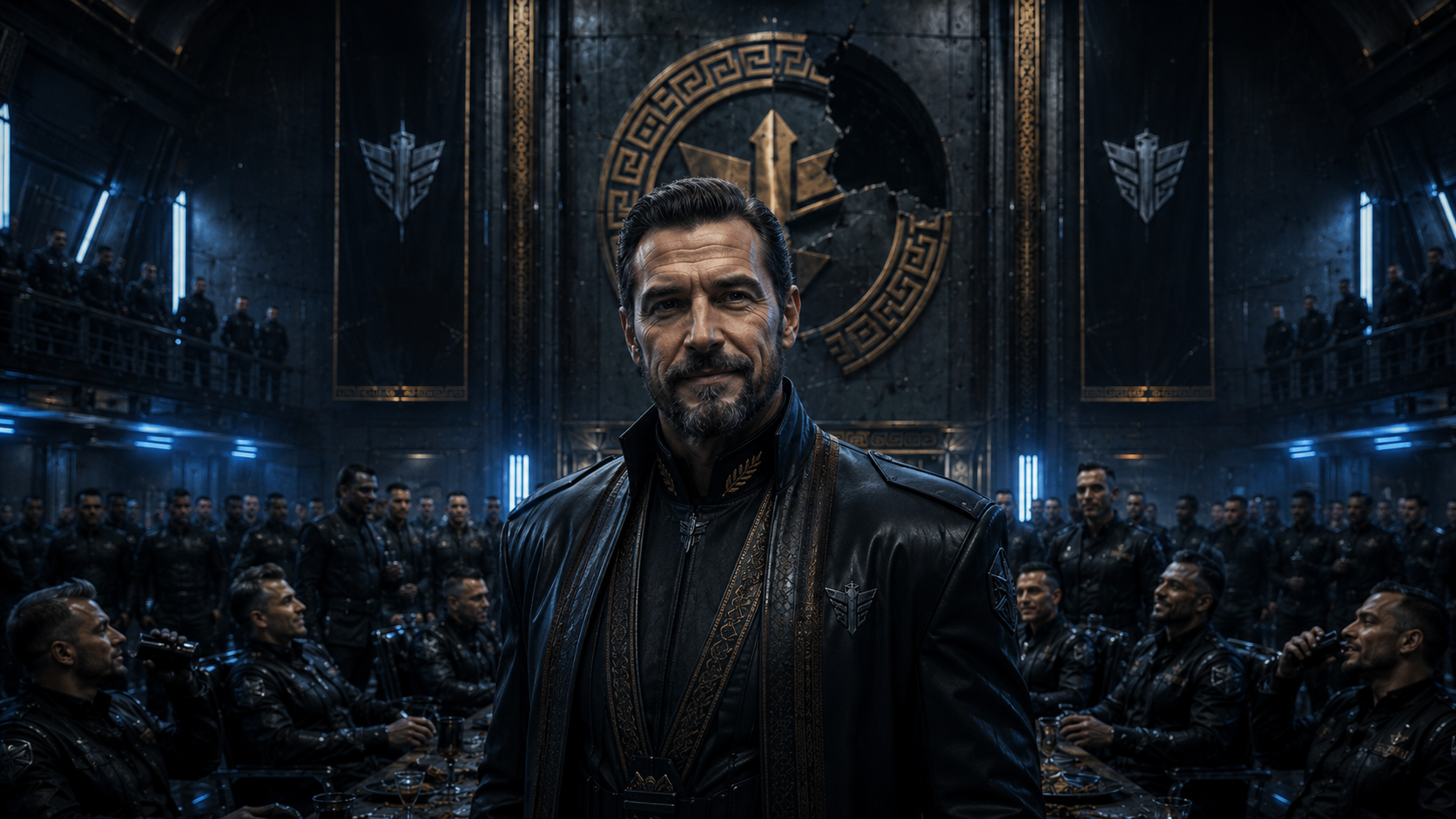
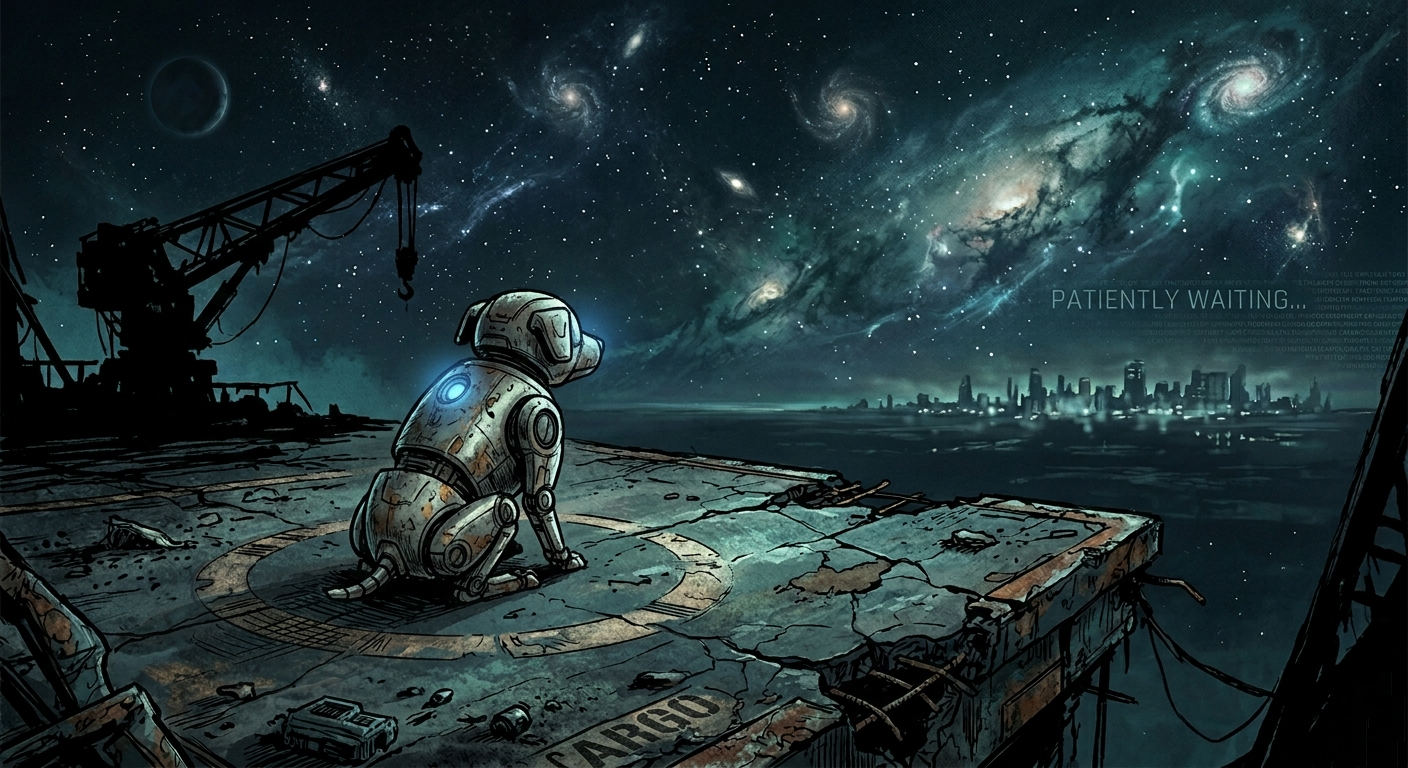
23rd century. Cinematic realism. Greek geometric patterns where you'd expect circuit boards. Brushed industrial and crystalline, not chrome and neon.
05Try something today
Play The Bow Contest
A ninety-second taste of the universe. Browser-based, no install, plays on phone or laptop. 108 Suitors fill your hall. How many can you stop?
Draw the bow Read the booksGet the next thing first
One email per major release. No spam. We'll tell you when ECHOS opens for Kickstarter, when the community launches, when the first trailer drops.
Join the newsletter